
When to Change the RO Membrane: 7 Signs and the Right Interval
When to Change the RO Membrane: 7 Signs and the Right Interval
Your reverse osmosis water purifier works tirelessly to provide clean drinking water for your family, but like any hardworking appliance, it needs regular maintenance to perform optimally. The RO membrane is the heart of your purification system, responsible for removing up to 99% of dissolved impurities from your water. Understanding when to replace this crucial component can save you money, ensure water quality, and extend your purifier's lifespan. Many homeowners struggle to identify the right time for membrane replacement, often waiting until water quality deteriorates significantly. If you're searching for reliable ro service near me gurgaon or wondering about maintenance schedules, this comprehensive guide will help you recognize the warning signs and establish the perfect replacement interval for your water purifier.
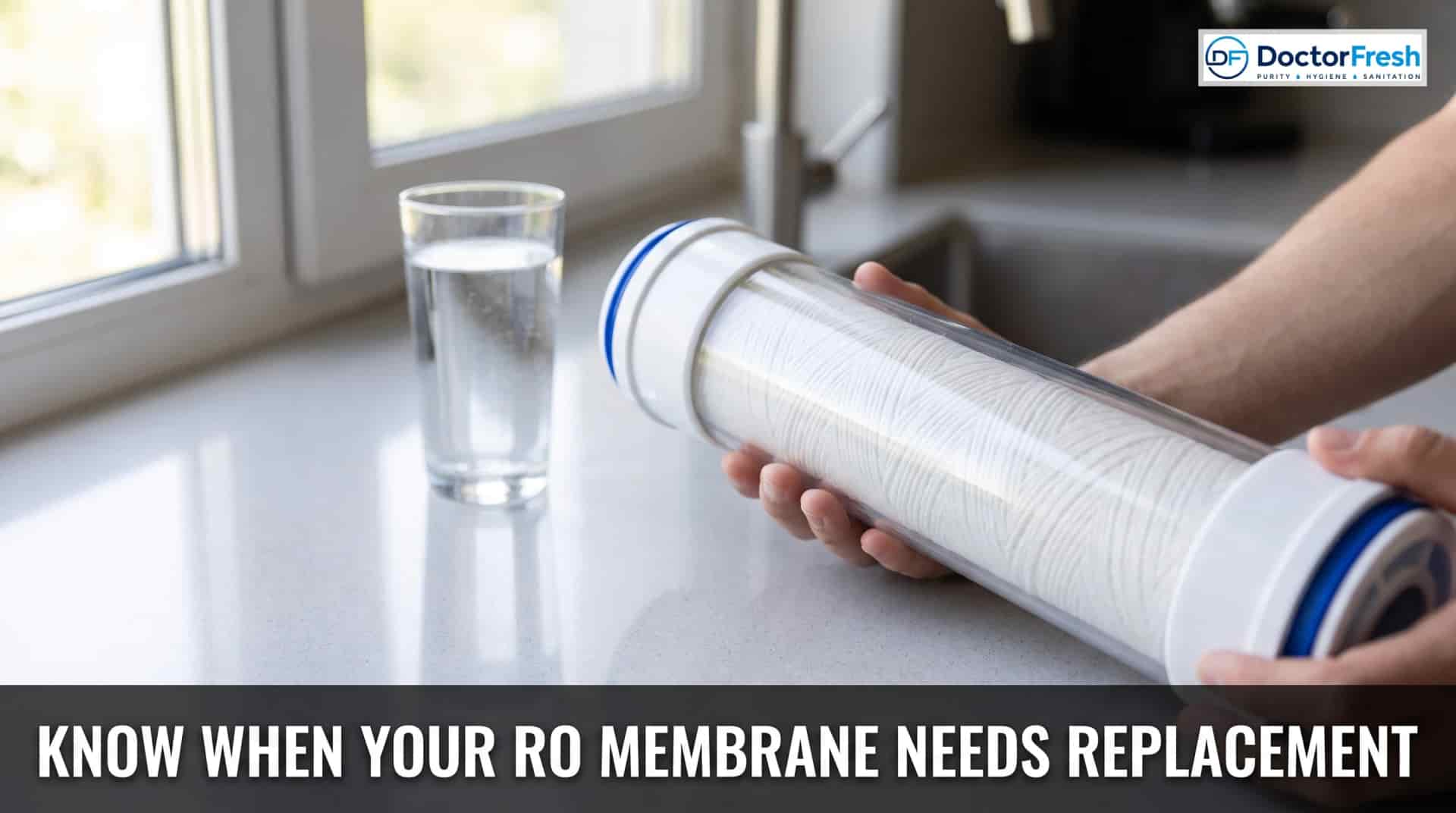
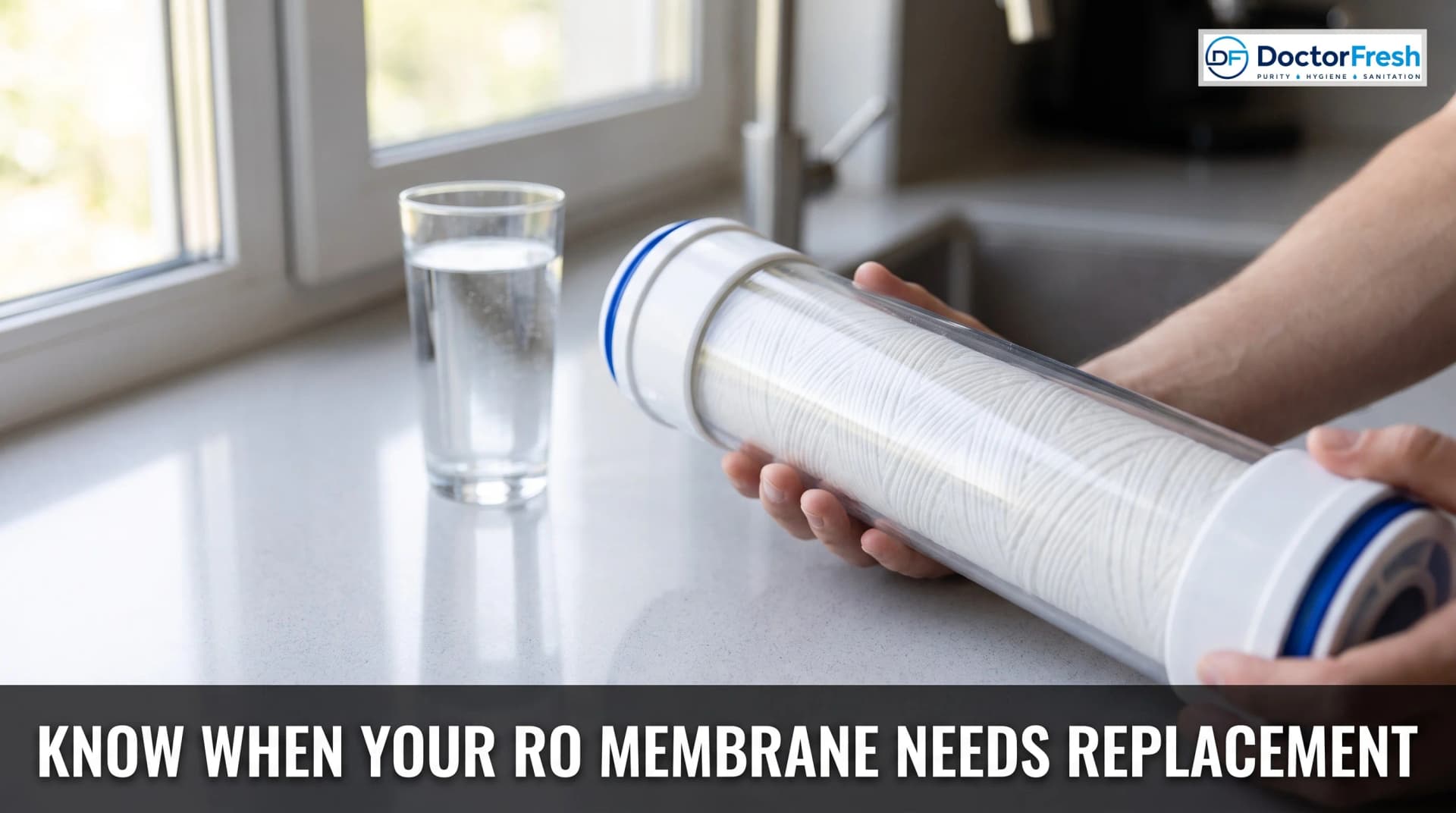
The RO membrane is a semi-permeable filter that separates contaminants from water molecules through a pressure-driven process. Over time, continuous exposure to dissolved solids, chemicals, and microorganisms gradually reduces its filtration efficiency. Most manufacturers recommend membrane replacement every 2-3 years, but actual lifespan depends on your water quality, usage patterns, and maintenance practices. Regular water purifier service ensures your system operates at peak efficiency and helps you avoid unexpected breakdowns. While the membrane might seem hidden inside your purifier, your water and system behavior provide clear signals when replacement becomes necessary.
Many Indian households underestimate the importance of timely membrane replacement, assuming the purifier works fine as long as water flows through it. However, a degraded membrane allows harmful contaminants to pass through, defeating the entire purpose of water purification. The filter change cost for RO membranes typically ranges between INR 1500 to INR 4000 depending on the brand and membrane quality, which is a small investment compared to potential health risks from contaminated water. Recognizing early warning signs prevents emergency situations and allows you to plan maintenance during convenient times.
Understanding your membrane's condition requires attention to specific indicators that signal declining performance. These signs range from obvious changes in water taste to subtle variations in system behavior that most users overlook. By monitoring these seven key signals, you can determine the optimal replacement timing and maintain consistent water quality for your household.
Seven Critical Signs Your RO Membrane Needs Replacement
The first and most noticeable sign is a significant change in water taste or odor. When the RO membrane deteriorates, it fails to remove dissolved minerals and organic compounds effectively, resulting in water that tastes slightly salty, metallic, or simply different from what you're accustomed to. If your family members suddenly complain about water taste or you notice an unusual smell, the membrane has likely reached the end of its functional life. This change often occurs gradually, making it easy to adapt without realizing water quality has declined substantially.
Reduced water flow rate represents another clear indicator of membrane problems. A healthy RO system produces purified water at a consistent rate, but as membranes become clogged with accumulated contaminants, water production slows noticeably. If filling a glass of water takes significantly longer than before, or if your storage tank takes hours to refill when it previously took 90 minutes, membrane replacement should be your priority. This reduced flow often correlates with increased TDS levels, creating a dual problem that affects both quantity and quality.
Increased Total Dissolved Solids readings provide concrete evidence of membrane failure. Every household with an RO purifier should own a TDS meter, an inexpensive device that measures dissolved impurities in parts per million. Purified water should typically measure below 50 ppm, while inlet water in Indian cities ranges from 200 to 2000 ppm depending on location. When your purified water consistently shows TDS readings above 80-100 ppm despite proper pre-filter maintenance, the membrane can no longer perform adequate filtration. Regular TDS testing every month helps you track membrane performance and schedule timely maintenance before water quality becomes compromised.
Excessive wastewater generation indicates membrane inefficiency that wastes both water and money. RO systems naturally produce reject water containing concentrated impurities, but the ratio should remain relatively constant. A functioning membrane typically maintains a recovery ratio of 25-30%, meaning for every liter of purified water, 3-4 liters go to drain. When this ratio increases dramatically and you notice the drain line running constantly, the membrane struggles to separate pure water from contaminants, forcing the system to work harder and waste more water. This inefficiency also increases electricity consumption and puts additional stress on the pump.
Understanding Replacement Intervals and Cost Factors
The standard replacement interval for RO membranes falls between 24 to 36 months under normal operating conditions, but several factors can shorten or extend this timeframe. Water quality remains the most significant variable affecting membrane lifespan. Areas with extremely hard water containing high calcium and magnesium levels, or regions with elevated iron content, cause faster membrane degradation. Similarly, water with high chlorine levels or organic contamination reduces membrane life considerably. Pre-filter maintenance plays an equally crucial role in protecting the RO membrane from premature damage.
The filter change cost for complete RO maintenance includes more than just the membrane itself. A comprehensive service package typically includes sediment filters, carbon filters, the RO membrane, and post-carbon filters. Here's a detailed breakdown of typical costs in the Indian market for 2026:
| Component | Replacement Frequency | Average Cost (INR) |
|---|---|---|
| Sediment Filter | Every 6 months | 200 - 400 |
| Pre-Carbon Filter | Every 6-12 months | 300 - 600 |
| RO Membrane | Every 24-36 months | 1500 - 4000 |
| Post-Carbon Filter | Every 12 months | 400 - 800 |
| Complete Service Package | Annual | 2500 - 5000 |
Usage patterns significantly impact replacement schedules as well. A family of six consuming 30 liters daily pushes the membrane harder than a couple using 10 liters daily. Commercial applications in offices or small businesses require more frequent replacements due to continuous operation. When searching for professional technicians in any location, ensure the technician assesses your specific usage and water conditions rather than applying generic timelines. Professional service providers conduct TDS testing, check system pressure, and evaluate overall performance before recommending membrane replacement.
The Consequences of Delayed Membrane Replacement
Postponing membrane replacement beyond its functional life creates multiple problems that extend beyond poor water quality. Health risks emerge as the primary concern when contaminated water enters your drinking supply. A failing membrane allows bacteria, viruses, heavy metals, pesticides, and other harmful substances to pass through the filtration system. While you might not notice immediate health effects, long-term exposure to these contaminants can cause digestive issues, skin problems, and more serious health complications, especially for children and elderly family members.
System damage represents another significant consequence of delayed maintenance. When the membrane clogs completely, excessive pressure builds within the system, potentially damaging the pump, flow restrictor, and other components. This cascade effect transforms a simple filter change cost of INR 2000-3000 into extensive repairs exceeding INR 8000-10000. The pump works harder to push water through a clogged membrane, consuming more electricity and generating excess heat that shortens its lifespan. Additionally, a struggling system produces louder operational noise and may develop leaks at connection points due to increased pressure.
Economic impact extends beyond repair costs when you consider wasted resources. A degraded membrane reduces recovery ratio, sending more water to drain and increasing your water bills substantially. In water-scarce regions or during summer months when water becomes precious, this waste becomes particularly problematic. Moreover, poor water quality might force you to purchase bottled water as a temporary solution, adding unexpected expenses while you arrange for professional maintenance. Some families spend INR 500-1000 monthly on bottled water rather than investing in timely membrane replacement, ultimately paying far more in the long run.
Best Practices for Membrane Maintenance and Longevity
Extending your RO membrane's lifespan requires consistent attention to pre-filtration stages and overall system health. The sediment and carbon filters serve as protective barriers that prevent large particles, chlorine, and organic matter from reaching the delicate membrane surface. Replace these pre-filters according to schedule even if they appear relatively clean, as their filtration capacity diminishes long before visible signs appear. Skipping pre-filter changes to save money inevitably leads to premature membrane failure, resulting in higher overall costs.
Water pressure optimization ensures efficient membrane operation and prevents unnecessary strain. RO systems require inlet pressure between 40-60 PSI for optimal performance. Low pressure reduces purification efficiency and extends production time, while excessive pressure can physically damage the membrane. Installing a pressure regulator maintains consistent pressure levels regardless of municipal supply variations. Additionally, ensure proper sanitization during membrane replacement by having technicians clean the storage tank, pipes, and housing thoroughly to prevent bacterial contamination of the new membrane.
Professional service from qualified technicians makes a substantial difference in system performance and longevity. While DIY membrane replacement is possible, professionals bring expertise in proper installation, system sanitization, and performance verification. They identify potential issues before they become serious problems and ensure all components work harmoniously. When scheduling maintenance, choose providers who offer comprehensive maintenance rather than simple filter swaps. A thorough service includes pressure testing, leak inspection, flow rate verification, and TDS measurement at multiple points, giving you complete confidence in your system's performance.
Regular monitoring empowers you to make informed decisions about maintenance timing. Establish a simple monthly routine that includes checking TDS levels, noting water flow rate, and listening for unusual system sounds. Maintain a service log documenting all filter changes, membrane replacements, and any issues encountered. This historical data helps predict future maintenance needs and provides valuable information when consulting service technicians. Many modern RO purifiers feature smart indicators that track filter life and alert you when replacement becomes necessary, eliminating guesswork from maintenance scheduling.
Conclusion
Recognizing when to change your RO membrane protects your family's health while optimizing your water purifier's performance and longevity. The seven signs discussed—taste changes, reduced flow, elevated TDS readings, excessive wastewater, unusual noises, visible damage, and expired timelines—provide clear indicators that membrane replacement cannot wait. While the filter change cost might seem like an unnecessary expense when your purifier still produces water, timely replacement prevents health risks, system damage, and ultimately saves money compared to emergency repairs or medical treatments resulting from contaminated water. Establish a proactive maintenance schedule based on your specific water quality and usage patterns, conduct regular TDS testing, and maintain pre-filters diligently to maximize membrane lifespan. Whether you perform basic monitoring yourself or rely on professional maintenance, staying attentive to your system's condition ensures continuous access to safe, clean drinking water. Remember that the modest investment in regular maintenance delivers immeasurable value through improved health, lower long-term costs, and peace of mind knowing your family drinks water that meets the highest purity standards throughout the year.
Learn more about extending your RO system's lifespan by recognizing the seven key indicators that signal membrane replacement time. Discover how water quality, taste changes, and flow rate can reveal your membrane's condition. Explore further into maintenance schedules based on water hardness, usage patterns, and manufacturer guidelines to stay informed about optimal replacement intervals that protect both your investment and your family's health.
Need help choosing or servicing a purifier?
Talk to a Doctor Fresh water expert or book a free water quality test at your home.
Comments
No comments yet — be the first.