how to choose the best 100 lph ro plant in gurgaon?
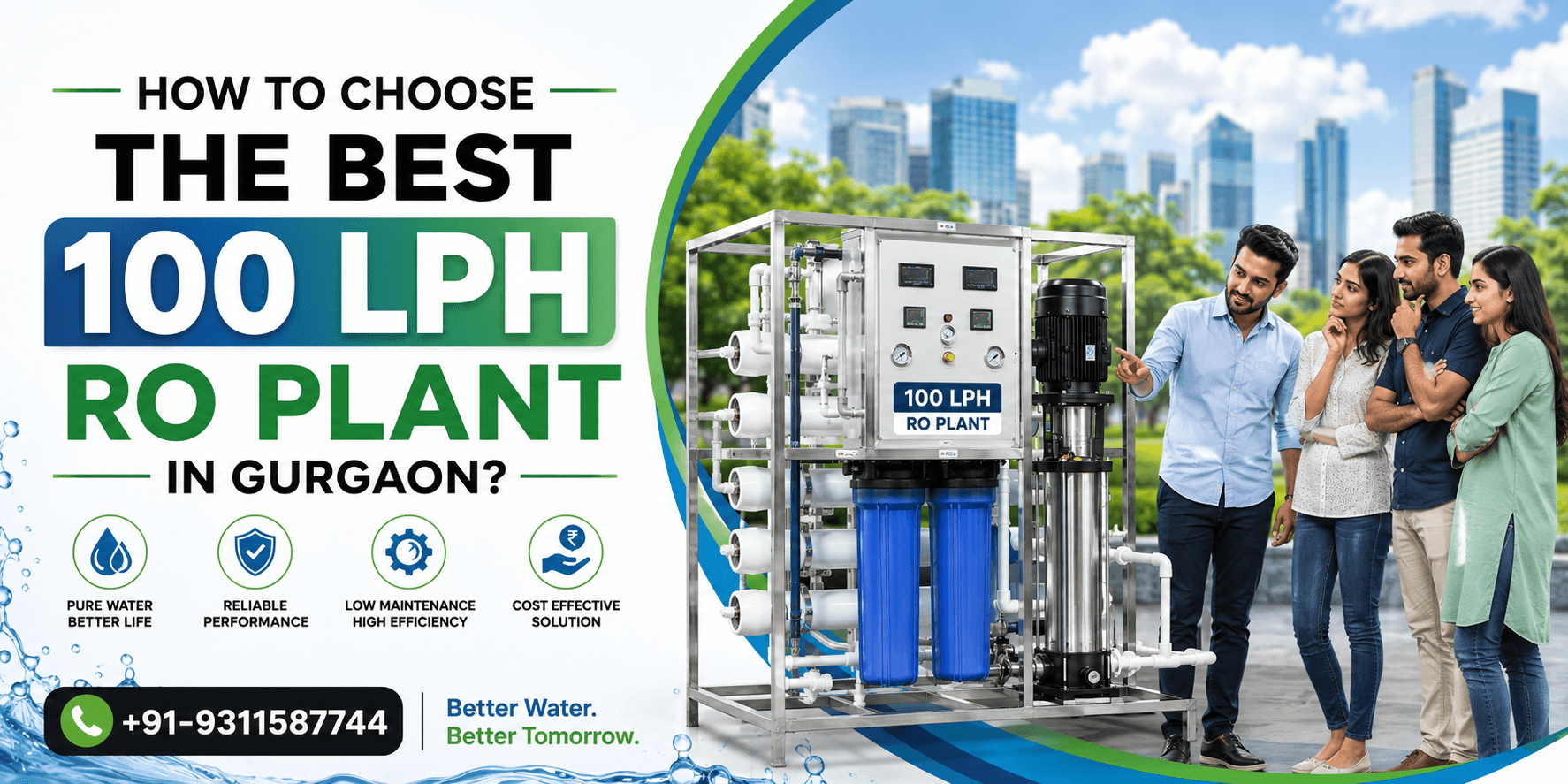
How to Select the Perfect 100 LPH RO Plant in Gurgaon for Your Home or Business
Water quality concerns have become increasingly critical for residents and businesses across Gurgaon, especially with rapid urbanization and industrial growth affecting groundwater sources. Whether you run a small restaurant, manage an office building, or simply want clean drinking water for your extended family, selecting the right water purification solution requires careful consideration. A ro plant gurgaon, understanding technical specifications, water quality parameters, and local supplier capabilities becomes essential for making an informed decision that protects your health and investment.
Gurgaon's water supply faces unique challenges including high total dissolved solids, hardness issues, and occasional contamination from industrial pollutants. Municipal water connections often deliver water exceeding 800-1200 ppm TDS levels, well above the recommended 300 ppm for safe consumption. The right Basic Systems Premium Systems 45,000-65,000 INR 1,00,000-1,50,000 INR Domestic Imported Premium Standard Commercial Grade Manual/Basic Fully Automatic Basic Complete Setup 1 Year 3-5 Years 8,000-12,000 INR 15,000-25,000 INR
Beyond purchase price, operational costs include electricity consumption, periodic consumable replacements, and professional servicing. Sediment and carbon filters require replacement every 6-12 months costing 2,000-4,000 INR per service. RO membrane replacement every 3-4 years adds 8,000-15,000 INR depending on quality. Annual maintenance contracts covering labor, minor parts, and service visits range from 8,000-25,000 INR. test
Water wastage represents a hidden cost often overlooked during initial evaluation. With municipal water rates in Gurgaon averaging 15-30 INR per kiloliter, reject water disposal from systems with poor recovery ratios adds 500-1,500 INR monthly. Exploring reject water reuse options for gardening, cleaning, or toilet flushing reduces this expense while supporting environmental sustainability.
Calculating total cost of ownership over five years provides realistic comparison between options. A 65,000 INR basic system with higher maintenance costs and more frequent replacements might ultimately cost more than a 95,000 INR mid-range system with better efficiency and longevity. Financial institutions and manufacturers occasionally offer payment plans spreading costs over 12-24 months, making quality systems more accessible.
Installation Requirements and Setup Considerations
Proper installation fundamentally influences system performance, efficiency, and longevity. Site preparation begins with identifying appropriate locations offering adequate space, proper drainage access, and stable electrical supply. Ground floor or basement installations simplify plumbing while upper floor setups require pressure considerations and secure mounting for elevated storage tanks.
Input water connections require dedicated lines with isolation valves allowing system shutdown without affecting other water supplies. Pressure regulators protect equipment when municipal supply exceeds 60 PSI, while booster pumps compensate for inadequate pressure below 40 PSI. Storage tank sizing depends on consumption patterns, with most installations incorporating 200-500 liter capacity ensuring availability during peak usage periods or system maintenance.
Electrical requirements include dedicated 5-15 amp circuits with proper earthing, particularly important in areas with grounding issues. Voltage stabilizers protect sensitive electronics from fluctuations common across Gurgaon's power grid. Drainage arrangements must handle reject water volume, typically 150-300 liters hourly for 100 LPH systems, requiring proper waste line sizing and disposal compliance with local regulations.
Professional installation by trained technicians ensures correct component assembly, optimal pressure settings, and proper membrane installation. Quality installers conduct pre-commissioning checks including leak testing, pressure verification, and initial TDS measurements confirming system performance. Documentation including plumbing schematics, electrical diagrams, and operational parameters facilitates future servicing and troubleshooting.
Post-installation testing should verify output TDS below 50 ppm, adequate flow rates meeting specifications, and proper automation function. Initial flushing cycles running 30-60 minutes remove manufacturing residues and membrane preservatives before the system enters regular service. Installers should provide operational training covering routine monitoring, basic troubleshooting, and emergency procedures ensuring staff competency.
Maintenance and Servicing Protocols
Establishing comprehensive maintenance schedules protects your investment while ensuring consistent water quality and system reliability. Regular servicing addresses wear components, prevents major failures, and maintains optimal efficiency throughout the ro plant operational life.
Daily monitoring should include basic checks taking just 5-10 minutes. Recording output TDS using handheld meters detects membrane degradation or system malfunctions requiring immediate attention. Visual inspection for leaks, unusual noises, or warning indicators enables early problem detection. Monitoring reject water flow ensures proper system operation while excessive waste indicates potential issues requiring professional diagnosis.
Filter replacement schedules vary based on source water quality and usage intensity. Sediment pre-filters protecting RO membranes require replacement every 3-6 months depending on turbidity levels. Carbon filters removing chlorine and organic compounds typically last 6-12 months. Membrane life extends 3-5 years with proper pre-treatment and regular cleaning protocols. Delaying replacements compromises output quality while potentially damaging downstream components.
Professional servicing by qualified technicians addresses complex maintenance requirements beyond user capabilities. Semi-annual services include comprehensive system inspection, pressure testing, leak detection, and performance verification. Annual services incorporate chemical cleaning procedures removing membrane scaling and biological fouling, significantly extending service life. Technicians should provide detailed service reports documenting system condition, component status, and recommendations for optimal operation.
Sanitization procedures prevent bacterial growth within storage tanks and distribution lines. Quarterly cleaning using food-grade sanitizers eliminates biofilm accumulation maintaining water safety. Tank draining and scrubbing removes settled sediments while UV sterilization or chlorination ensures microbiological safety. Proper sanitization protocols become particularly critical for food service and healthcare applications where water quality directly impacts safety.
Keeping detailed maintenance logs tracking service dates, component replacements, and performance metrics facilitates warranty claims while identifying developing issues through trend analysis. Digital logs accessible to service providers enable better diagnostics and preventive maintenance scheduling optimizing system availability.
Types and Configuration Options Available
The ro plant market offers various configuration options tailored to specific applications and water quality challenges. Understanding available technologies helps match systems to particular requirements ensuring optimal performance.
Wall-mounted compact systems maximize floor space utilization in space-constrained locations. These configurations integrate filtration stages, pumps, and controls in vertical cabinets occupying minimal footprint. Floor-mounted systems offer easier access for maintenance while accommodating larger capacity storage tanks. Custom configurations combine components matching unique spatial constraints or integration requirements with existing infrastructure.
Single-pass systems represent standard configurations where feed water traverses membrane stages once, producing purified permeate and concentrated reject streams. Multi-pass or double-pass configurations route water through additional purification stages achieving ultra-pure specifications required for pharmaceutical, laboratory, or specific industrial applications. These advanced setups deliver output TDS below 10 ppm though at higher costs and reduced efficiency.
Hybrid purification systems combining RO with complementary technologies address specific contaminant profiles. UV sterilization post-treatment ensures microbiological safety without chemical additives, particularly valuable for applications requiring absolute pathogen elimination. Alkaline mineralization stages restore beneficial minerals removed during reverse osmosis, improving taste while maintaining health benefits. Activated carbon polishing removes any residual taste or odor compounds delivering premium quality output.
Modular expandable designs allow capacity increases as requirements grow without complete system replacement. Starting with single membrane modules supporting current needs, additional modules integrate when consumption increases, protecting initial investments while providing growth flexibility. This approach particularly benefits growing businesses or institutions with evolving water demands.
Solar-powered configurations address locations with unreliable electricity or high power costs. Photovoltaic panels sized for system requirements enable off-grid operation while reducing operational expenses. Hybrid solar-grid systems switch automatically between power sources optimizing energy costs while ensuring continuous operation. Though requiring higher initial investment, solar systems deliver long-term savings particularly valuable for remote or rural installations.
Conclusion
Selecting the ideal 100 lph ro plant in gurgaon requires balancing multiple considerations including water quality analysis, technical specifications, budget constraints, and long-term operational requirements. Gurgaon's unique water challenges demand properly specified systems capable of handling high TDS, hardness, and contamination levels while delivering consistent performance throughout changing conditions. Understanding capacity requirements, evaluating technical features, and comparing total ownership costs ensures investments deliver value over their operational lifetime.
Professional water testing provides essential baseline data informing system selection, while understanding multi-stage filtration, pump specifications, and automation features distinguishes quality systems from basic configurations. Budget considerations extending beyond initial purchase to include operational costs, maintenance expenses, and energy consumption enable realistic financial planning. Proper installation by trained professionals and comprehensive maintenance protocols protect investments while ensuring water quality and system reliability.
Whether serving commercial establishments, educational institutions, or large households, the right ro plant gurgaon installation delivers safe, clean drinking water meeting health standards while reducing dependency on expensive packaged alternatives. Taking time to assess requirements thoroughly, researching available options, and partnering with reputable suppliers ensures long-term satisfaction with your water purification investment.
Looking to invest in a 100 LPH RO plant for your Gurgaon property? Learn more about the critical factors that determine system efficiency, including TDS levels specific to your locality, space requirements, and maintenance schedules. Explore further into understanding certification standards, energy consumption patterns, and how local water hardness impacts filter longevity to make an informed decision that protects your health investment.
Related Blogs
Need help choosing or servicing a purifier?
Talk to a Doctor Fresh water expert or book a free water quality test at your home.
Comments
No comments yet — be the first.