
Why Ro water flow is slow in gurgaon: How to fix it?
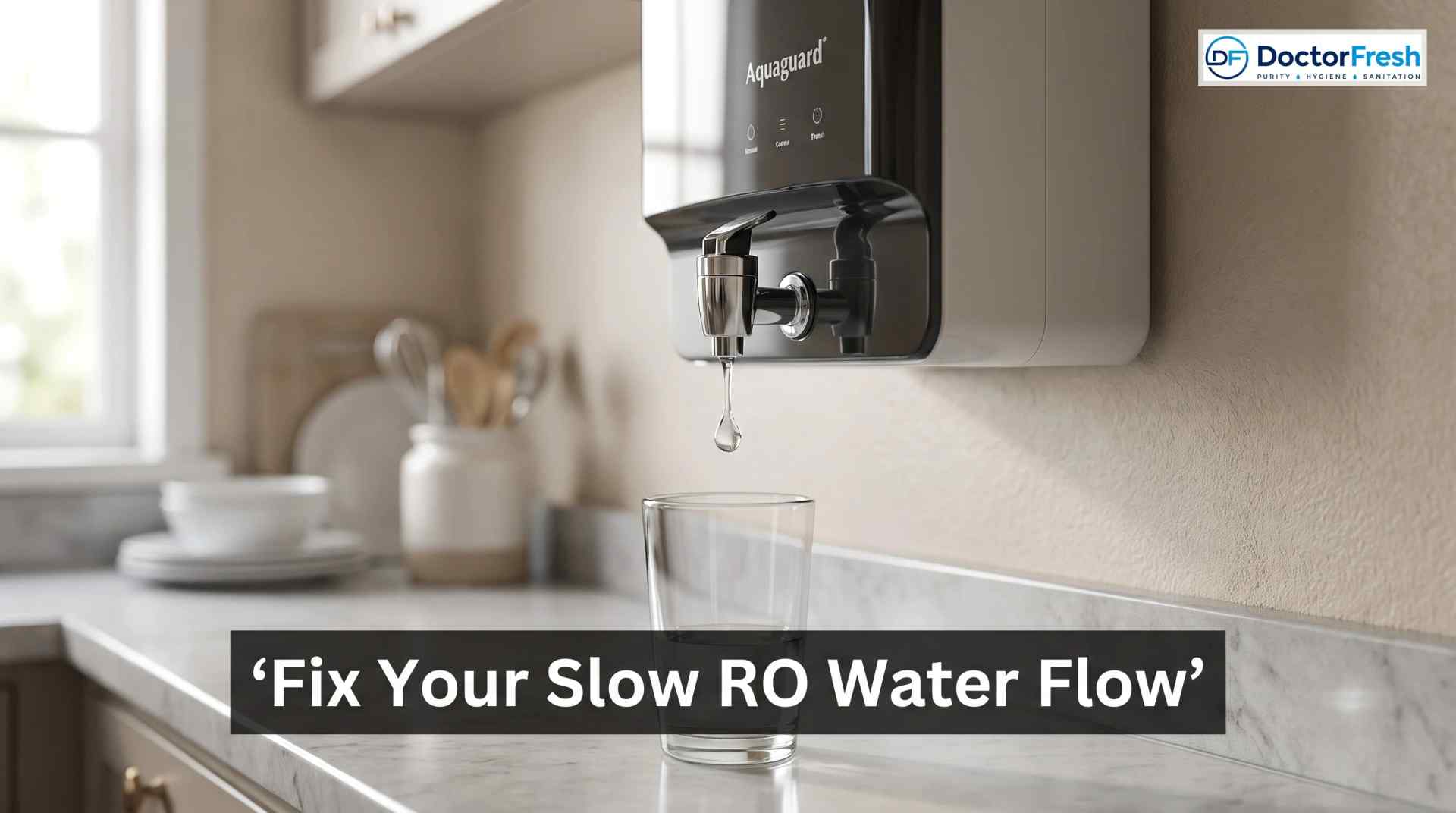
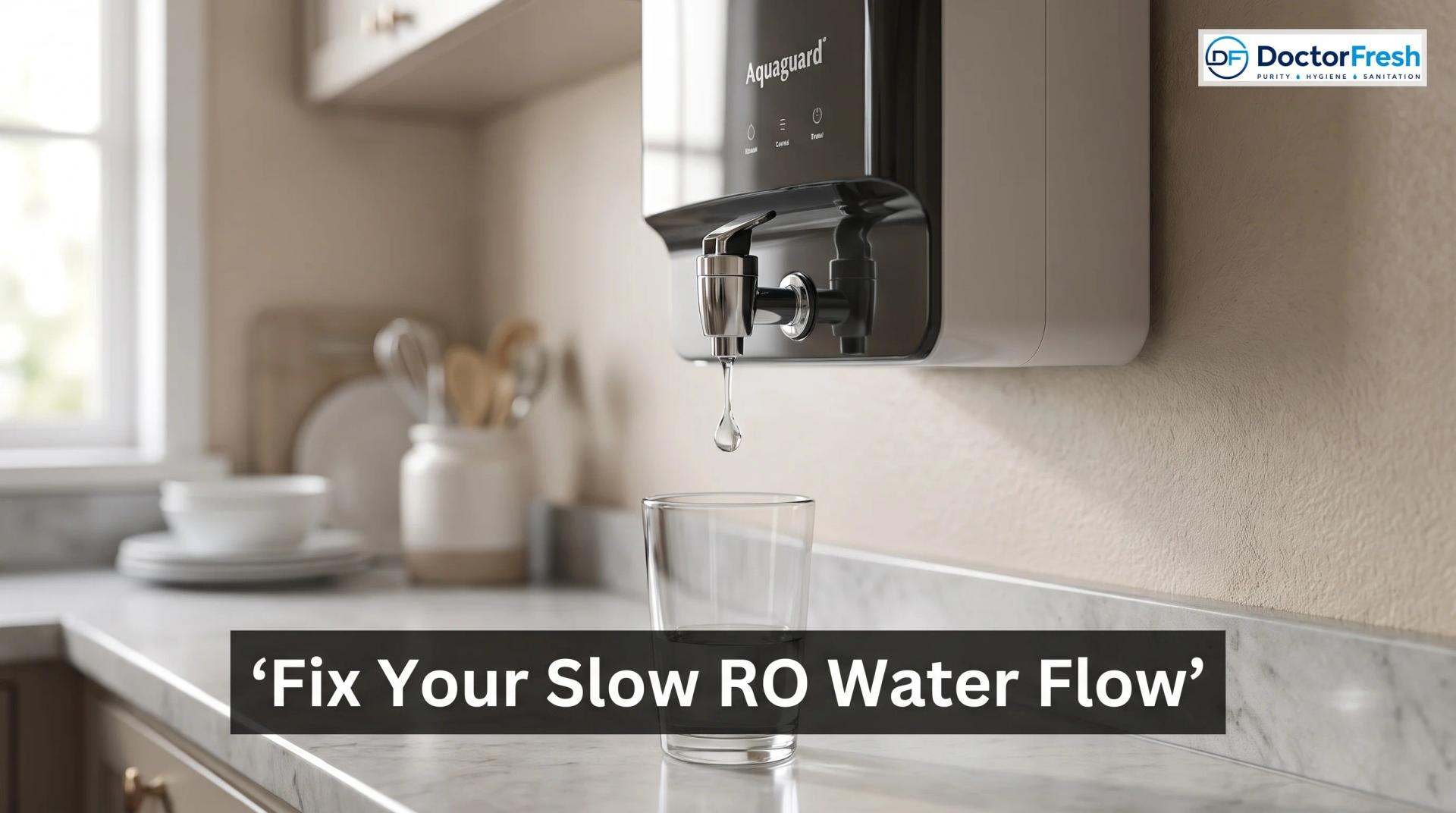
Why Ro water flow is slow in gurgaon: How to fix it?
Have you noticed that your water purifier is taking forever to fill a glass? If you're living in Gurgaon and experiencing frustratingly slow water flow from your RO system, you're not alone. This common problem affects thousands of households across the city, and understanding why it happens is the first step toward fixing it. The good news is that most slow flow issues can be resolved without replacing your entire unit. Whether you need professional ro service near me in gurgaon or want to try some DIY fixes first, this comprehensive guide will walk you through everything you need to know about diagnosing and solving slow RO water flow problems.
Slow water flow from your ro water purifier in gurgaon can turn the simple task of filling a water bottle into a test of patience. What should take seconds stretches into minutes, disrupting your daily routine and raising concerns about your purifier's efficiency. The issue becomes particularly noticeable during peak usage hours when multiple family members need water simultaneously. Beyond the inconvenience, reduced flow rates can indicate underlying problems that, if left unaddressed, might lead to costlier repairs down the line.
Gurgaon's unique water conditions make RO purifiers essential for safe drinking water, but these same conditions often contribute to flow rate problems. The city's water supply varies significantly across different sectors, with some areas receiving harder water than others. High Total Dissolved Solids levels, sediment content, and fluctuating water pressure all play crucial roles in how efficiently your RO system operates. Understanding these local factors helps you identify the specific cause affecting your purifier's performance.
Before calling for professional help, it's worth knowing that many slow flow issues stem from simple, fixable causes. Regular maintenance, timely filter replacements, and understanding your system's basic functioning can prevent most problems. This article explores the primary reasons behind slow RO water flow in Gurgaon homes and provides practical, step-by-step solutions to restore your purifier's optimal performance.
Common Causes of Slow RO Water Flow in Gurgaon
Understanding why your RO water purifier experiences reduced flow rates requires examining several interconnected factors. The most frequent culprit is clogged pre-filters, which trap sediment, rust, and other particles before water reaches the delicate RO membrane. In Gurgaon, where water quality varies significantly between municipal supply and groundwater sources, these filters work overtime. Sediment filters typically need replacement every 6-12 months, but in areas with particularly dirty water, they might require changing every 3-4 months. When these filters become saturated with contaminants, water struggles to pass through, drastically reducing flow to your tap.
The RO membrane itself represents another critical component affecting flow rates. This semi-permeable membrane performs the actual purification by filtering out dissolved solids, heavy metals, and other contaminants. Over time, the membrane develops a layer of rejected impurities called scaling, which blocks water passage. Gurgaon's hard water, with TDS levels often exceeding 500-800 ppm in many sectors, accelerates this scaling process. A membrane operating beyond its lifespan—typically 2-3 years—can reduce flow by 50-70 percent compared to a new one.
Low inlet water pressure significantly impacts RO performance since these systems require minimum pressure to push water through the membrane effectively. Most RO purifiers need at least 40-60 PSI to function optimally. Many Gurgaon apartments and ground floor homes receive inconsistent water pressure, especially during peak morning and evening hours. When pressure drops below the required threshold, the purification process slows considerably, resulting in barely a trickle from your purifier's tap.
Storage tank issues also contribute to perceived slow flow problems. The pressurized storage tank maintains water ready for immediate dispensing, but if the internal air bladder loses pressure or develops a leak, water won't flow properly even if purification is happening normally. Additionally, a faulty auto-shut-off valve might prevent the tank from filling completely, limiting available purified water and creating the impression of continuous slow flow.
Step-by-Step Solutions to Fix Slow RO Water Flow
Immediate Troubleshooting Steps
Start by checking the simplest solutions first before moving to more complex interventions. Turn off your RO system and examine all visible connections for kinks in tubing or partially closed valves. Sometimes, the solution is as simple as fully opening the inlet valve or straightening a bent tube. Check if your storage tank feels light—an empty or nearly empty tank suggests the purification process itself has slowed or stopped entirely.
Next, inspect the condition of your pre-filters by unscrewing the filter housings. Sediment filters should be white or light colored; if they're brown, grey, or black, they're heavily clogged and need immediate replacement. Carbon filters don't show visible contamination but should be replaced according to the manufacturer's schedule. Many Gurgaon residents find that replacing pre-filters alone restores 60-70 percent of their original flow rate. Quality replacement filters cost between INR 300-800 depending on the brand and type.
Filter and Membrane Replacement Guide
- Turn off the water supply and depressurize the system by opening the faucet
- Use a filter wrench to unscrew pre-filter housings carefully
- Remove old filters and clean housings with water and mild soap
- Install new filters ensuring proper sealing with o-rings
- For membrane replacement, disconnect tubing from the membrane housing
- Unscrew the housing cap and slide out the old membrane
- Insert the new membrane in the correct direction (check arrows)
- Reassemble everything and flush the system for 15-20 minutes
Professional RO service can complete this process efficiently if you're uncomfortable doing it yourself. Service costs typically range from INR 500-1500 depending on whether you're just replacing filters or including the membrane.
Addressing Water Pressure Problems
Low inlet pressure requires different solutions depending on the source. If you receive municipal water with inconsistent pressure, installing a booster pump specifically designed for RO systems can solve the problem permanently. These pumps cost between INR 2000-4000 and automatically activate when pressure drops below the required level. For homes with overhead tanks, ensuring adequate tank height—ideally 10-15 feet above the RO unit—provides sufficient gravity-fed pressure.
Check the pressure using a simple gauge available at hardware stores for around INR 300-500. If pressure consistently reads below 40 PSI, a booster pump becomes necessary. Some modern RO purifiers come with built-in booster pumps, but older models might need retrofitting. Professional installation ensures proper electrical connections and optimal pump placement for maximum efficiency.
Preventive Maintenance for Optimal RO Performance
Regular maintenance schedules prevent most slow flow issues before they become serious problems. Create a maintenance calendar that includes filter replacements every 6-12 months, membrane inspection annually, and professional servicing at least once yearly. Gurgaon's water conditions make preventive care especially important since the high TDS and sediment levels wear down components faster than in areas with cleaner water supply.
Sanitize your RO system every 6 months by flushing it with food-grade sanitizing solution. This process removes bacterial growth and biofilm that can restrict water flow through tubing and filters. The sanitizing solution costs around INR 200-400 and the procedure takes about 30 minutes. Drain the storage tank completely, disconnect the tubing from the membrane housing, and circulate the sanitizing solution through all pre-filters before thoroughly rinsing.
Monitor your purifier's performance by noting how long it takes to fill a standard one-liter bottle. Keep this baseline measurement and check monthly. If filling time increases by more than 30 percent, investigate potential causes immediately rather than waiting for flow to become painfully slow. Early intervention prevents minor issues from escalating into major failures requiring expensive repairs or complete system replacement.
Install a TDS meter to regularly test both inlet and output water quality. These meters cost INR 500-1000 and provide valuable insights into your purifier's effectiveness. If output TDS begins rising while flow decreases, the membrane likely needs replacement. Conversely, if flow drops but output TDS remains optimal, focus on filters and pressure-related issues.
When to Call Professional RO Service
While many slow flow issues can be resolved through DIY troubleshooting, certain situations require expert intervention. If you've replaced all filters and the membrane but still experience slow flow, the problem might involve internal components like flow restrictors, check valves, or the auto-shut-off mechanism. These components require specialized knowledge and tools to diagnose and repair properly.
Persistent leaks after filter replacement suggest damaged housings or worn o-rings that need professional attention. Continuing to operate a leaking system wastes water and can damage your kitchen cabinetry. Similarly, if your RO system makes unusual noises, produces water with strange taste or odor despite new filters, or shows electrical issues with the booster pump, contact qualified technicians immediately.
Choosing reliable RO service involves checking customer reviews, verifying technician certifications, and comparing service charges. Reputable service providers offer transparent pricing, genuine replacement parts, and warranty on repairs. Annual maintenance contracts typically cost INR 2000-3500 and include scheduled filter replacements, membrane cleaning, and priority service calls for unexpected problems.
Conclusion
Slow RO water flow in Gurgaon results from various factors including clogged filters, worn membranes, inadequate inlet pressure, and storage tank issues. Most problems can be resolved through systematic troubleshooting starting with the simplest solutions like checking connections and replacing pre-filters. Understanding your specific water conditions and maintaining a regular service schedule prevents recurring flow issues and extends your purifier's lifespan. Whether you tackle basic maintenance yourself or rely on professional service, addressing slow flow problems promptly ensures your family continues enjoying safe, clean drinking water without frustrating delays. Remember that investing in preventive maintenance costs far less than emergency repairs or premature system replacement, making regular care the smartest approach to keeping your water purifier functioning optimally for years to come.
Slow RO water flow in Gurgaon typically stems from clogged pre-filters, low input water pressure, or membrane fouling caused by the city's hard water. Learn more about diagnosing your specific issue by checking filter replacement schedules, measuring inlet pressure levels, and understanding how seasonal temperature changes affect purification speed in your area.
Need help choosing or servicing a purifier?
Talk to a Doctor Fresh water expert or book a free water quality test at your home.
Comments
No comments yet — be the first.