
How to Choose RO Plant for Hospitals and Clinics: Requirements and Best Practices
How to Choose RO Plant for Hospitals and Clinics: Requirements and Best Practices
Healthcare facilities across India face a critical challenge that directly impacts patient safety and treatment outcomes: ensuring access to pure, contaminant-free water. From dialysis units to surgical theaters, from medicine preparation to patient consumption, hospitals and clinics require water that meets stringent quality standards. An RO plant for hospital settings is not just another utility installation but a life-saving infrastructure component that demands careful selection and planning.
The water quality requirements in healthcare environments extend far beyond regular municipal standards. Hospitals consume thousands of liters daily, making the selection of an industrial RO plant for healthcare a complex decision involving capacity planning, quality specifications, regulatory compliance, and long-term operational costs. Unlike residential or commercial applications, medical facilities cannot afford water supply interruptions or quality fluctuations that could compromise patient care or contaminate critical procedures.
With increasing awareness about waterborne infections and stricter healthcare regulations, choosing the right water purification system has become a strategic priority for hospital administrators. The right RO plant for hospital use must deliver consistent performance under high-demand conditions while maintaining the specialized water quality needed for various medical applications. From emergency rooms requiring immediate access to sterile water to pathology labs needing specific mineral-free water, the diversity of needs within a single facility makes this selection process particularly challenging.
Understanding the RO plant cost for hospital installations requires looking beyond initial equipment prices to consider installation expenses, ongoing maintenance, consumable replacements, and operational electricity costs. This comprehensive guide walks healthcare decision-makers through every critical aspect of selecting, installing, and maintaining RO systems that meet both medical standards and budgetary constraints while ensuring uninterrupted service in facilities where water quality can literally mean the difference between life and death.
Understanding Water Quality Requirements in Healthcare Settings
Healthcare facilities have vastly different water quality needs compared to residential or standard commercial establishments. The Bureau of Indian Standards and healthcare regulatory bodies mandate specific parameters for medical-grade water that an RO plant for hospital use must consistently achieve. These standards cover physical, chemical, microbiological, and pharmaceutical parameters that vary depending on the intended application within the facility.
Dialysis units require water meeting the most stringent specifications, with total dissolved solids below 10 ppm and complete absence of endotoxins and bacteria. Surgical departments need pyrogen-free water for instrument sterilization and wound cleaning, while pathology labs require deionized water with specific conductivity levels. Patient drinking water, though less critical, must still exceed bottled water standards to prevent infection in immunocompromised individuals. An industrial RO plant for healthcare must therefore be designed with multiple purification stages and quality monitoring systems.
The Indian Medical Association recommends regular testing for parameters including chlorine residuals, heavy metals like lead and mercury, organic contaminants, microbial load, and pharmaceutical residues. Hospitals near industrial areas or those relying on groundwater face additional challenges with arsenic, fluoride, and nitrate contamination. The chosen RO system must address the specific contaminant profile of the local water source while maintaining output quality regardless of seasonal variations in input water characteristics.
Water used in pharmaceutical preparation areas must comply with Indian Pharmacopoeia standards for purified water, which specifies conductivity limits and microbial counts. Operating theaters require water meeting sterile standards for surgical scrubbing and equipment sterilization. Laboratories conducting sensitive diagnostic tests need ultrapure water to prevent interference with test results. This diversity of applications within a single facility often necessitates multiple treatment trains or a centralized high-capacity system with point-of-use polishing.
Capacity Planning and System Sizing for Medical Facilities
Determining the appropriate capacity for an RO plant for hospital applications requires detailed analysis of peak and average water consumption patterns. Unlike residential systems measured in liters per day, healthcare facilities require industrial-scale systems measured in cubic meters per hour or kiloliters per day. Undersizing leads to water shortages during critical procedures, while oversizing inflates both the RO plant cost for hospital installations and operational expenses unnecessarily.
A typical 50-bed hospital in India consumes approximately 3,000 to 5,000 liters daily for medical purposes beyond general sanitation needs. This includes dialysis requirements averaging 120-150 liters per patient per session, surgical theater consumption of 200-300 liters per operation, and laboratory usage varying from 100-500 liters daily depending on testing volume. Emergency departments need immediate access to purified water, requiring adequate storage capacity in addition to production capacity.
Healthcare planners must account for peak demand scenarios when multiple procedures occur simultaneously. A 200-bed multi-specialty hospital might need an industrial RO plant for healthcare with capacity ranging from 500 to 1,000 liters per hour, supported by storage tanks holding at least 2,000 to 5,000 liters. Critical care units and intensive care facilities increase consumption by 30-40 percent above standard calculations, while teaching hospitals with research laboratories require additional capacity for experimental and analytical work.
Seasonal variations also impact capacity requirements, as summer months see increased patient admissions and higher water consumption for cooling and sanitation. Growth projections should factor into capacity planning, with systems designed to accommodate 20-25 percent expansion over five years. Modular RO systems offer flexibility, allowing hospitals to add production units as demand grows without replacing the entire infrastructure, making this approach cost-effective for growing healthcare networks.
Essential Features and Technology Specifications
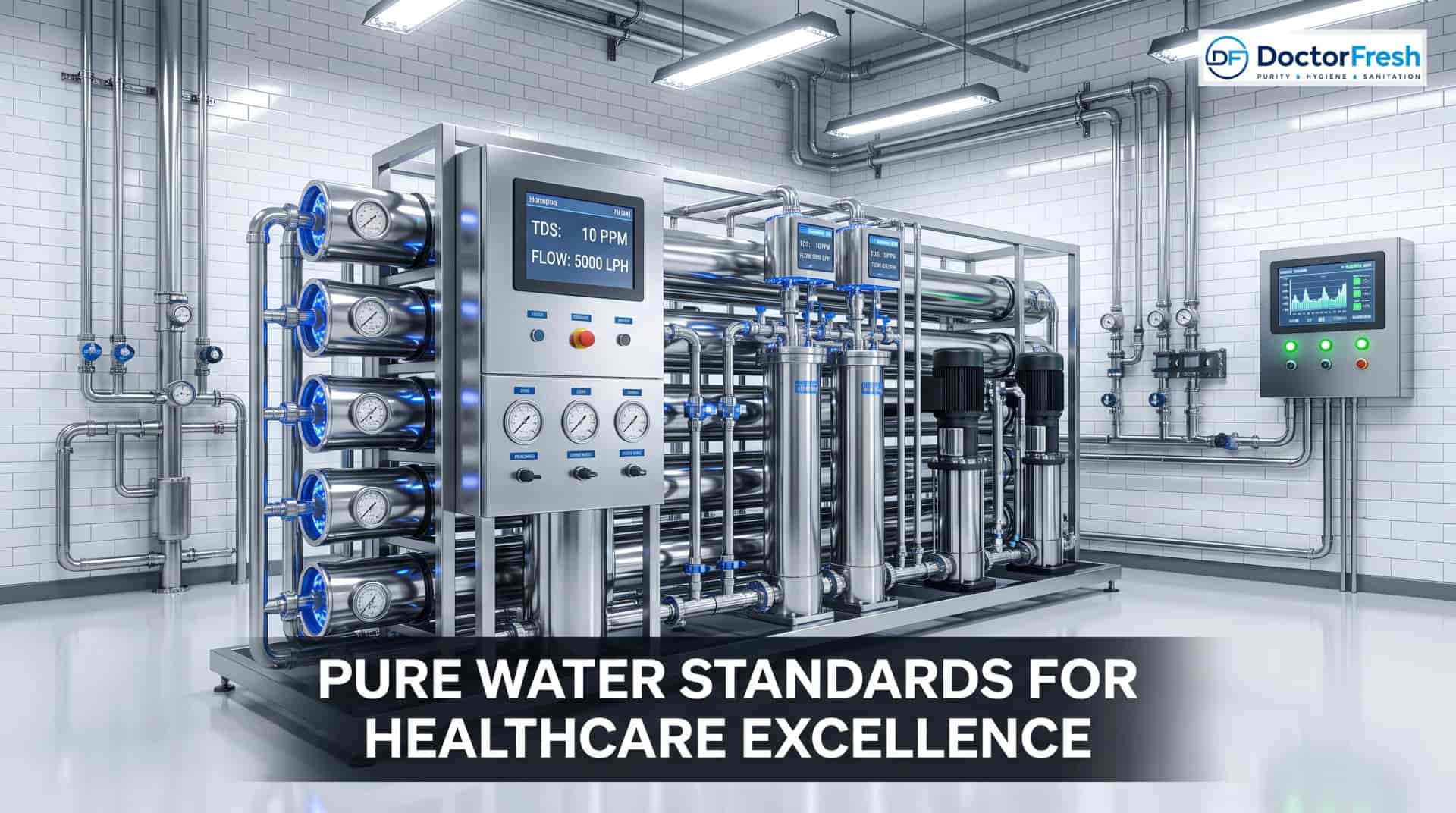
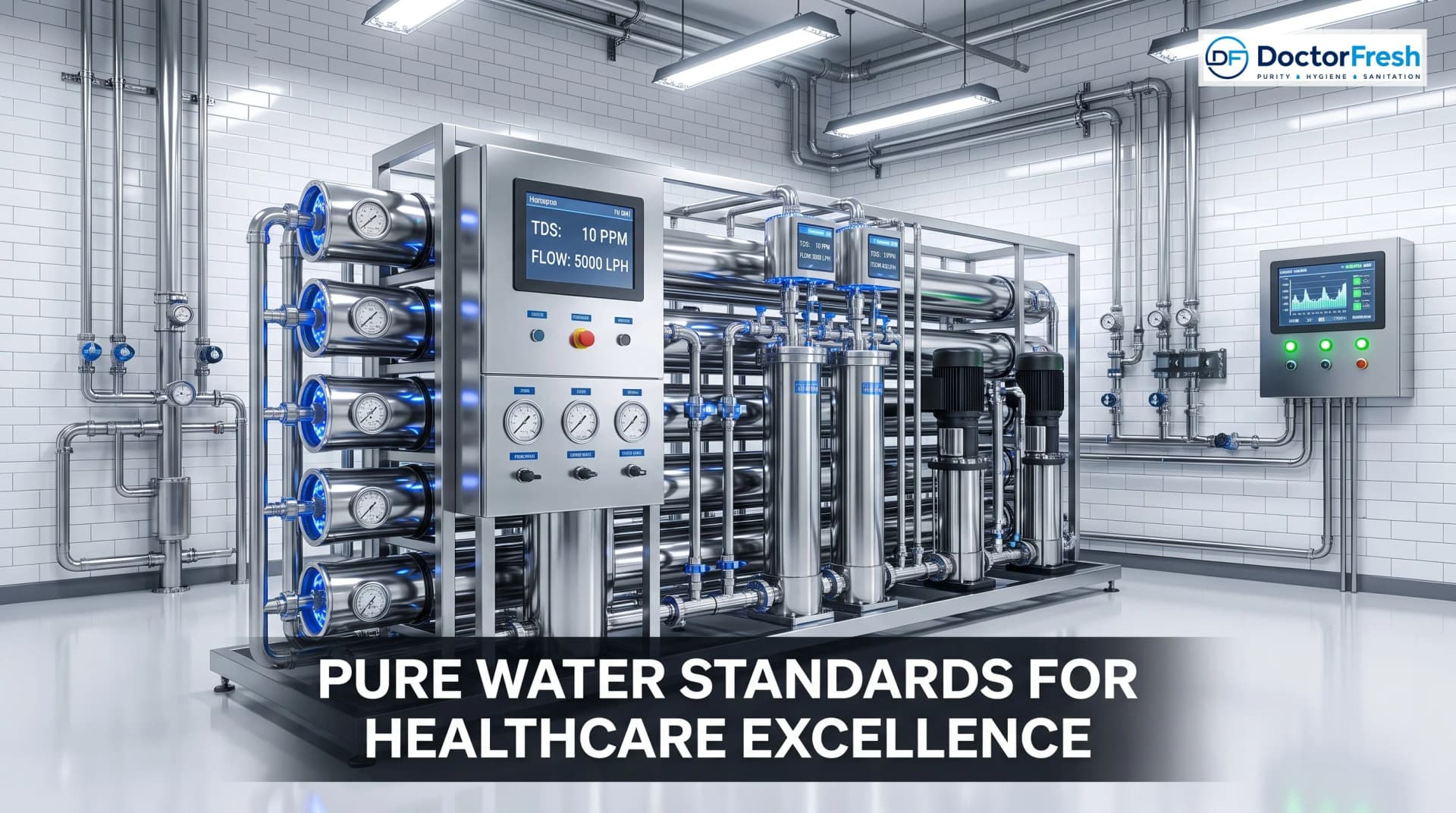
Modern industrial RO plants for healthcare incorporate multiple treatment stages beyond basic reverse osmosis membranes. Pre-treatment systems including multimedia filters, activated carbon units, and water softeners protect the RO membranes from fouling and extend their operational life. Healthcare applications demand additional post-treatment including UV sterilization, UF, and sometimes deionization to achieve medical-grade water quality specifications.
Automation and monitoring capabilities are non-negotiable for hospital RO systems. Real-time monitoring of key parameters such as TDS levels, conductivity, pH, and flow rates ensures immediate detection of quality deviations. Automatic shut-off mechanisms prevent substandard water from entering distribution systems, while alarm systems alert maintenance staff to issues requiring intervention. Data logging capabilities provide documented proof of water quality for regulatory compliance and quality audits.
Energy efficiency significantly impacts the long-term RO plant cost for hospital operations. Energy recovery devices, variable frequency drives on pumps, and optimized membrane configurations can reduce electricity consumption by 30-40 percent compared to older technologies. Given that hospitals operate these systems 24 hours daily, annual energy savings can amount to lakhs of rupees. High-efficiency systems with recovery rates above 70 percent also reduce water wastage, addressing both economic and environmental concerns.
Redundancy and backup systems ensure uninterrupted water supply critical for patient safety. Dual-train configurations allow maintenance on one system while the other continues operation. Backup power connectivity to emergency generators ensures water production continues during power outages. Storage capacity should cover at least 6-8 hours of peak consumption, providing buffer time for emergency repairs or component replacements without impacting clinical operations.
Comparison of RO System Types and Technologies for Healthcare
| System Type | Capacity Range | Typical Applications | Advantages | Investment Range (INR) |
|---|---|---|---|---|
| Single-Stage RO | 100-500 LPH | Small clinics, dental practices | Lower initial cost, simple operation | 1.5-4 lakhs |
| Two-Stage RO | 500-2000 LPH | Medium hospitals, diagnostic centers | Better quality, higher recovery | 4-10 lakhs |
| Multi-Stage with EDI | 1000-5000 LPH | Large hospitals, dialysis centers | Pharmaceutical grade water, consistent quality | 10-25 lakhs |
| Modular Systems | 2000-10000 LPH | Multi-specialty hospitals, hospital chains | Scalable, redundancy, high reliability | 20-50 lakhs |
The choice between these configurations depends on facility size, medical services offered, budget constraints, and future expansion plans. Small nursing homes and specialized clinics can function effectively with single-stage systems, while tertiary care hospitals require sophisticated multi-stage installations with advanced monitoring and control systems.
Regulatory Compliance and Quality Standards
Healthcare RO systems must comply with multiple regulatory frameworks including Clinical Establishments Act requirements, state pollution control board guidelines, and biomedical waste management rules concerning reject water disposal. The RO plant for hospital installations must meet Indian Standards IS 10500 for drinking water at minimum, with medical applications requiring compliance with more stringent specifications outlined in hospital accreditation standards.
National Accreditation Board for Hospitals and Healthcare Providers standards mandate documented water quality monitoring protocols, regular testing schedules, and maintenance records. Hospitals seeking accreditation must demonstrate consistent water quality meeting specified parameters for different applications. Installation certifications, equipment validation documentation, and operator training records form part of compliance requirements that influence system selection and vendor choice.
Reject water management presents environmental compliance challenges, as hospitals cannot simply discharge high-TDS concentrate into municipal drains without treatment. Responsible facilities invest in reject water recovery systems, using concentrate for gardening, cooling tower makeup, or toilet flushing after appropriate treatment. Some advanced industrial RO plants for healthcare incorporate zero liquid discharge technologies, though these significantly increase the RO plant cost for hospital implementations.
Periodic third-party testing and internal quality audits verify ongoing compliance with water quality standards. Hospitals should maintain testing schedules covering daily parameters like TDS and pH, weekly microbial testing, monthly comprehensive chemical analysis, and annual testing for heavy metals and pharmaceutical residues. Documentation of these results protects hospitals from liability issues and demonstrates commitment to patient safety during regulatory inspections.
Cost Analysis and Investment Considerations
The total RO plant cost for hospital projects extends well beyond equipment purchase price. A comprehensive budget must account for civil works including plant room construction, plumbing modifications, and electrical infrastructure upgrades. Installation charges typically add 15-20 percent to equipment costs, while commissioning, testing, and validation can account for another 10-15 percent depending on system complexity and regulatory requirements.
Operational costs deserve careful evaluation as they determine long-term financial viability. Electricity consumption for a 1000 LPH system ranges from 3-6 units per hour depending on feed water quality and recovery rates, translating to monthly electricity bills of 20,000 to 40,000 rupees at industrial tariffs. Membrane replacements every 2-3 years cost 30,000 to 2 lakh rupees depending on membrane type and quantity. Pre-filter and post-filter consumables add another 5,000 to 15,000 rupees monthly.
Maintenance contracts with equipment suppliers or specialized service providers typically cost 8-12 percent of equipment value annually. These comprehensive annual maintenance contracts cover preventive maintenance, emergency repairs, consumable supply, and performance guarantees. While this represents significant recurring expense, professional maintenance extends equipment life, ensures consistent water quality, and reduces downtime that could compromise patient care.
Return on investment calculations should compare centralized RO systems against alternatives like bottled water purchases or decentralized smaller units. For a 100-bed hospital, investing 15-20 lakh rupees in an industrial RO plant for healthcare eliminates monthly bottled water expenses of 50,000 to 1 lakh rupees, delivering payback within 18-24 months while providing better quality assurance and uninterrupted availability.
Vendor Selection and Installation Best Practices
Choosing the right vendor for an RO plant for hospital installation requires evaluating technical expertise, healthcare sector experience, after-sales service capabilities, and financial stability. Vendors should provide references from existing healthcare clients, demonstrating successful installations and ongoing support. Site visits to operational installations help assess system performance, maintenance quality, and user satisfaction before making purchase decisions.
Technical proposals should include detailed specifications, treatment process flow diagrams, equipment layouts, utility requirements, and performance guarantees. Vendors must commit to specific output water quality parameters under defined input conditions, with penalty clauses for non-compliance. Installation timelines, testing protocols, training provisions, and warranty terms require careful negotiation to protect hospital interests.
The physical installation demands proper planning of plant location considering proximity to point-of-use areas, drainage facilities, power supply, and maintenance accessibility. Dedicated plant rooms with adequate ventilation, lighting, drainage sumps, and space for future expansion ensure optimal operation. Electrical installations should include proper earthing, dedicated circuit breakers, and connections to emergency power systems for uninterrupted operation.
Training for hospital maintenance staff and nursing personnel ensures proper system operation and early problem detection. Comprehensive training should cover routine monitoring procedures, daily maintenance tasks, alarm response protocols, and basic troubleshooting. User manuals in local languages, clearly labeled controls and valves, and accessible emergency contact information facilitate smooth operations and quick problem resolution.
Maintenance Protocols and Performance Optimization
Establishing robust maintenance protocols maximizes RO system lifespan and ensures consistent water quality in healthcare settings. Daily checks should monitor production rates, reject water ratios, inlet and outlet pressures, and water quality parameters including TDS and pH. Weekly tasks include pre-filter inspections, storage tank cleaning, and distribution line sanitization. Monthly maintenance covers membrane cleaning, system sanitization, and detailed performance analysis.
Preventive maintenance schedules should align with manufacturer recommendations while adapting to local water conditions. Areas with high hardness require more frequent water softener regeneration and membrane cleaning. Seasonal variations demand adjustment of chemical dosing rates and cleaning frequencies. Detailed maintenance logs documenting all activities, parameter readings, and corrective actions provide valuable data for optimizing operations and planning component replacements.
Performance optimization focuses on maximizing membrane life, improving recovery rates, and reducing operational costs. Regular analysis of system performance data identifies trends indicating membrane fouling or scaling, allowing timely intervention before significant efficiency loss. Optimizing chemical dosing, adjusting operating pressures, and fine-tuning recovery rates based on feed water quality variations maintains peak performance while minimizing consumable consumption.
Emergency preparedness plans should address scenarios like membrane failure, pump breakdowns, power outages, and water quality excursions. Maintaining critical spare parts inventory, establishing backup water sources, and training staff on emergency protocols ensures minimal disruption to clinical services. Regular emergency drills test response capabilities and identify gaps in preparedness requiring attention.
Conclusion
Selecting an appropriate RO plant for hospital and clinic environments represents a critical infrastructure decision impacting patient safety, treatment quality, and operational efficiency. Healthcare administrators must balance stringent water quality requirements, capacity needs, regulatory compliance obligations, and budget constraints while ensuring reliable long-term performance. The industrial RO plant for healthcare installations demands careful evaluation of technology options, vendor capabilities, and total cost of ownership rather than focusing solely on initial equipment prices.
Successful implementation requires comprehensive planning addressing capacity calculations, system specifications, installation requirements, and maintenance protocols. The RO plant cost for hospital projects should be evaluated as a long-term investment in patient safety and quality care rather than merely an equipment purchase. By following the best practices outlined in this guide, considering all critical factors from water quality standards to operational efficiency, healthcare facilities can select and implement RO systems that reliably meet their specialized needs.
The complexity of healthcare water requirements, combined with the critical nature of uninterrupted supply, makes professional guidance valuable throughout the selection and implementation process. Investing time in thorough evaluation, engaging experienced vendors, and establishing robust operational protocols ensures that chosen systems deliver the pure, safe water essential for modern medical care while providing reliable service for years to come.
Learn more about implementing pharmaceutical-grade water purification systems that meet WHO and BIS standards for healthcare environments. Explore further how advanced multi-stage RO technology addresses specific contamination challenges in dialysis, ICU, and surgical applications. Stay informed about capacity planning methodologies, backup protocols, and regulatory compliance requirements that ensure uninterrupted access to medical-grade water across hospital departments.
Need help choosing or servicing a purifier?
Talk to a Doctor Fresh water expert or book a free water quality test at your home.
Comments
No comments yet — be the first.