
Red Light or Service Alert on Your Purifier: What does It Means?
Red Light or Service Alert on Your Purifier: What does It Means?
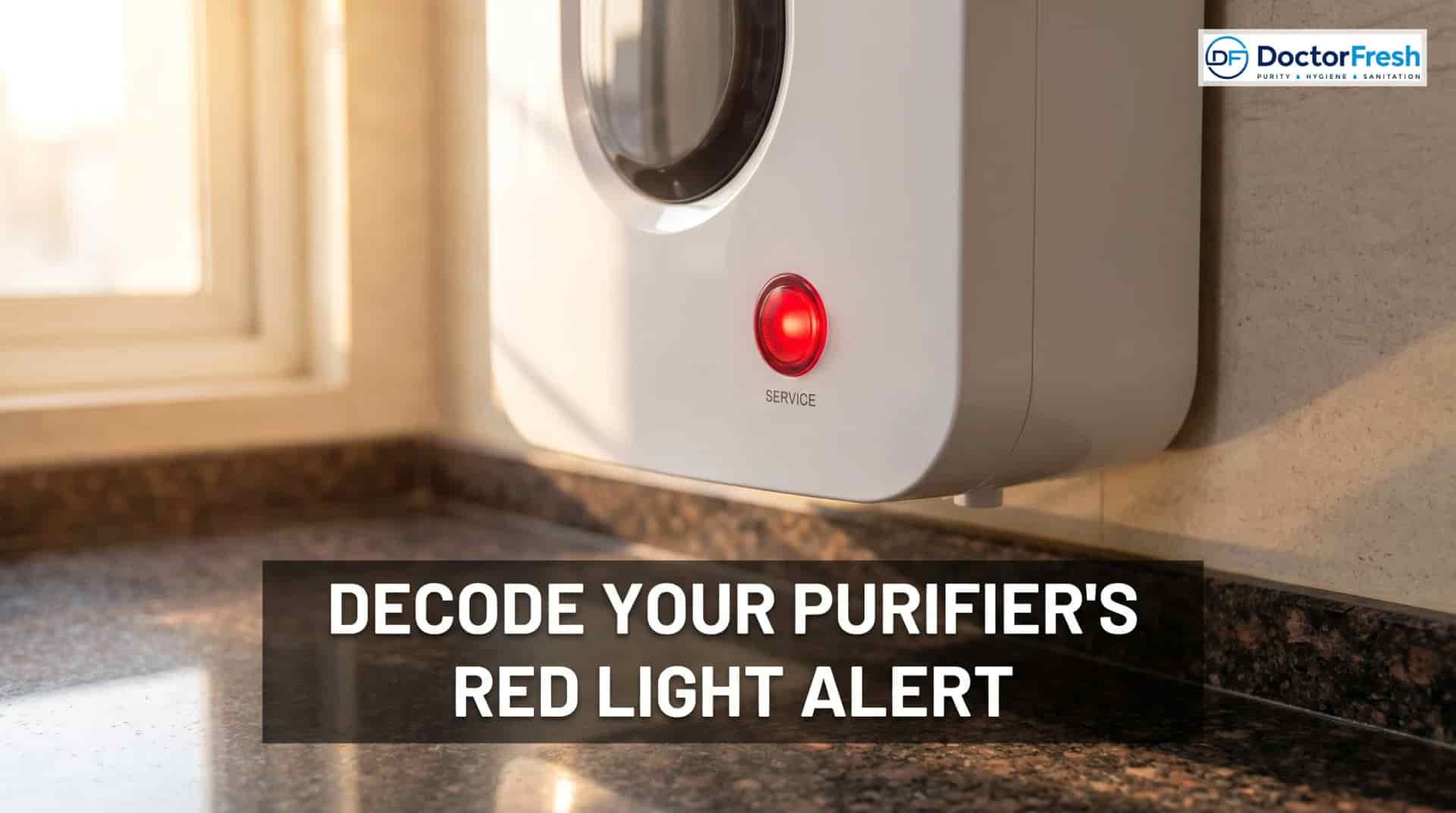
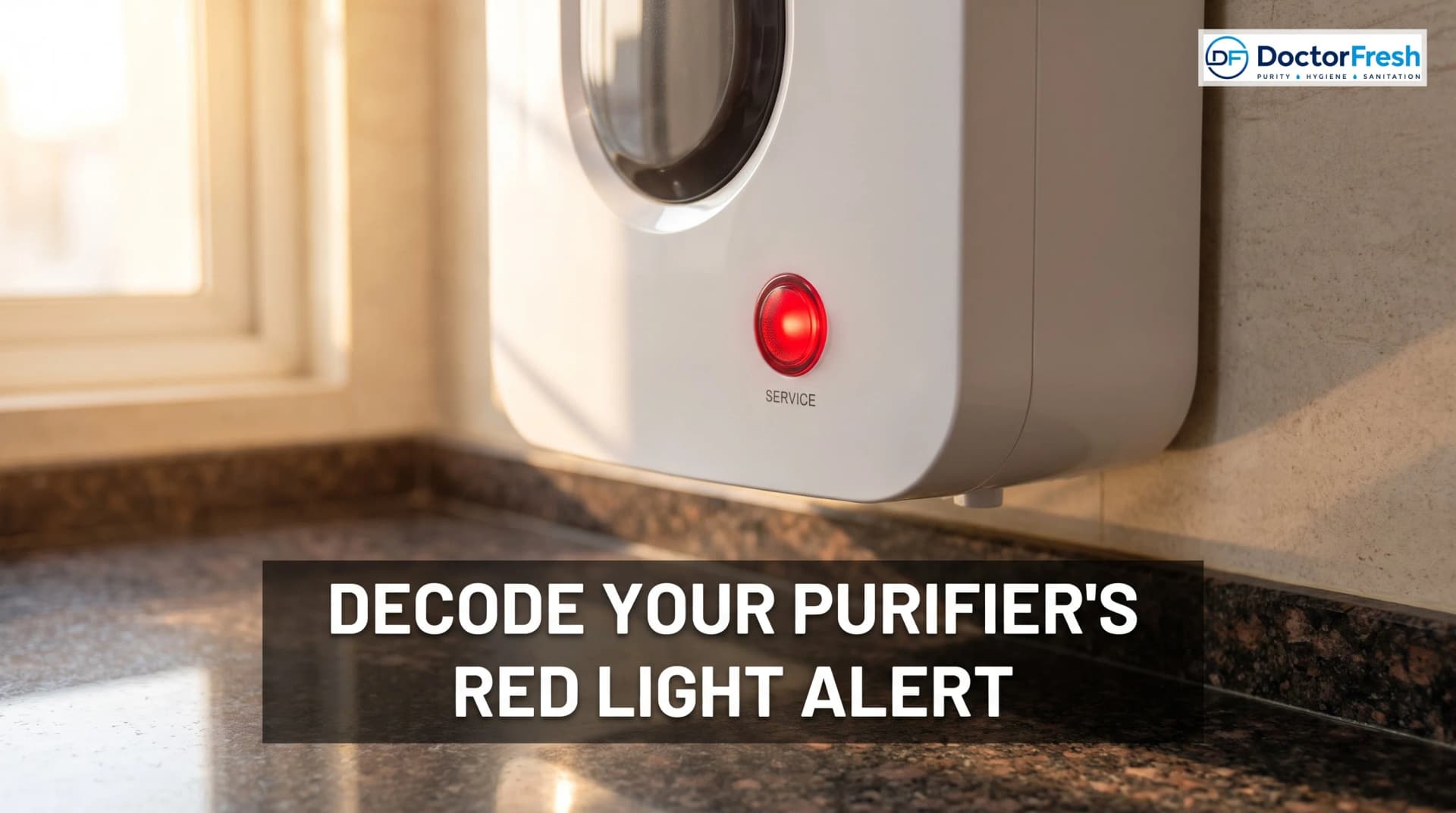
Picture this: you walk into your kitchen to fill a glass of water, and suddenly you notice a red light blinking on your water purifier. Your first thought might be panic—is something seriously wrong? Has the machine stopped working? Before you worry too much, take a deep breath. That red light or service alert is actually your purifier's way of communicating with you, letting you know it needs attention. Understanding what this indicator means can save you from potential health risks and costly repairs down the line.
Water purifiers have become essential appliances in Indian households, especially in urban areas where water quality can be questionable. These machines work tirelessly to filter out contaminants, dissolved solids, and harmful bacteria from your drinking water. However, like any hardworking appliance, they need regular maintenance and part replacements to function efficiently. The red light or service alert system is built into modern purifiers as a helpful reminder system, not a sign of catastrophic failure.
Most water purification systems today come equipped with smart indicator lights that monitor the condition of filters and internal components. When you see that red light blinking, it typically signals that one or more filters have reached their maximum capacity and need replacement. Ignoring this warning could mean drinking water that is not properly purified, defeating the entire purpose of having a purifier in the first place.
The good news is that addressing a service alert is usually straightforward. Whether you choose to troubleshoot minor issues yourself or contact professional services for maintenance, understanding what your purifier is trying to tell you puts you in control. This article will walk you through everything you need to know about service alerts, what triggers them, and how to respond appropriately.
Common Reasons for Red Light or Service Alerts
Filter Saturation and Replacement Needs
The most common reason for a red light on your water purifier is filter saturation. Water purifiers typically use multiple filtration stages, including sediment filters, carbon filters, reverse osmosis membranes, and post-carbon filters. Each of these components has a limited lifespan measured in months or litres of water processed.
Sediment filters usually need replacement every six to eight months, as they capture visible particles, dirt, and rust from incoming water. Once clogged with debris, they cannot perform effectively and may even restrict water flow. Carbon filters, which remove chlorine, bad taste, and odours, typically last between nine to twelve months depending on water quality and usage patterns.
The reverse osmosis membrane is the heart of most purification systems and generally has a longer lifespan of two to three years. However, in areas with particularly hard water or high total dissolved solids, this component may need earlier replacement. When any of these filters reach their capacity, the built-in timer or flow sensor triggers the service alert to protect you from consuming inadequately filtered water.
UV Lamp Malfunction or End of Life
If your purifier uses ultraviolet purification technology, the red light might indicate that the UV lamp needs replacement. UV lamps are crucial for killing bacteria, viruses, and other microorganisms in water. These lamps have a typical operational life of about 8000 to 10000 hours, roughly translating to one year of continuous use.
Even if the lamp appears to be glowing, its germicidal effectiveness diminishes over time. The intensity of UV radiation decreases gradually, reaching a point where it can no longer effectively neutralize harmful pathogens. The service alert ensures you replace the lamp before it becomes completely ineffective, maintaining the safety of your drinking water.
Electronic Component Issues and Sensor Alerts
Modern water purifiers come with sophisticated electronic components including flow sensors, pressure sensors, and TDS controllers. Sometimes, the red light may indicate issues beyond simple filter replacement. A malfunctioning sensor, electrical connectivity problem, or power supply irregularity can trigger service alerts.
In some cases, the alert system itself may need recalibration after service or filter changes. If you have recently had maintenance done but the light persists, it could be that the service technician forgot to reset the indicator. This is why getting help from experienced technicians who understand various purifier models can make troubleshooting much easier.
How to Respond to Service Alerts Properly
Identify the Specific Alert Type
Different purifier models use various indicator systems. Some have multiple lights for different filters, while others use a single light that changes colour or blinks in specific patterns. Your first step should be to consult your purifier's user manual to understand what the specific light pattern means for your model.
Many manufacturers provide detailed charts explaining different alert codes. For example, a steady red light might indicate routine filter replacement, while a blinking red light could signal a more urgent issue requiring immediate attention. Some advanced models even have digital displays that specify exactly which component needs service.
Document when the alert appeared and any changes you noticed in water flow, taste, or smell. This information will be valuable whether you attempt a DIY solution or call professional assistance. Note also how long the purifier has been in use since the last service, as this context helps technicians diagnose problems quickly.
DIY Checks Before Calling Service
Before contacting professionals, you can perform some basic checks. First, verify that the purifier is receiving proper electrical power and that all connections are secure. Sometimes, a loose plug or tripped circuit breaker can trigger alerts.
Check the water supply to ensure adequate pressure and flow. Low inlet water pressure can cause some purifiers to display error alerts. If your building has had water supply issues recently, this might be the culprit rather than an actual purifier problem.
Examine visible components for obvious issues like water leakage, unusual sounds, or visible damage. If you have a basic understanding of your purifier's service schedule, compare the current date with the last service date. Most filters follow predictable replacement timelines, so if it has been eight to ten months since the last service, a filter change is likely overdue.
When to Contact Professional Service
While some purifier maintenance tasks can be handled independently, certain situations definitely require professional expertise. If you notice water leakage, strange noises, or complete stoppage of water flow, contact service professionals immediately. These symptoms could indicate serious internal problems that need expert diagnosis.
Membrane replacement, UV lamp installation, and electrical component repairs should always be left to trained technicians. These tasks require specific tools, genuine parts, and technical knowledge to ensure proper installation and safety. Using non-genuine parts or incorrect installation can void warranties and potentially damage your purifier further.
Professional service providers also perform comprehensive system checks that go beyond simple filter replacement. They test water quality before and after purification, check for internal scaling, sanitize storage tanks, and ensure all components function optimally. This thorough approach extends your purifier's lifespan and maintains water quality standards. If you're in Gurgaon and need reliable maintenance support, consider connecting with experts through ro service gurgaon for prompt and professional assistance.
Understanding Filter Replacement Schedules
Stage-wise Filter Lifespan
Understanding the replacement schedule for different filtration stages helps you anticipate service needs and budget accordingly. Here is a typical replacement timeline for common purifier components:
| Filtration Stage | Average Lifespan | Replacement Cost Range (INR) | Function |
|---|---|---|---|
| Sediment Filter | 6-8 months | 150-400 | Removes visible particles and dirt |
| Pre-Carbon Filter | 9-12 months | 250-600 | Eliminates chlorine and odours |
| RO Membrane | 24-36 months | 1500-3500 | Removes dissolved salts and impurities |
| Post-Carbon Filter | 9-12 months | 300-700 | Enhances taste and removes residual odours |
| UV Lamp | 12 months | 800-1800 | Kills bacteria and viruses |
These timelines are approximate and vary based on several factors. Water quality in your area plays a significant role—harder water with higher TDS levels wears out filters faster. Daily water consumption also matters; a household that uses 20 litres daily will need more frequent replacements than one using 10 litres.
Factors Affecting Filter Life
Several environmental and usage factors influence how quickly your purifier filters reach capacity. Total dissolved solids in incoming water is perhaps the most significant factor. Areas with TDS levels above 500 ppm put considerably more strain on filtration systems compared to regions with lower TDS readings.
Sediment levels in municipal water supply also impact filter lifespan. During monsoon seasons or after pipeline repairs, incoming water often carries more particulate matter, clogging sediment filters more quickly. If you notice the service light appearing earlier than expected after such events, increased sediment load is likely the reason.
Usage patterns within your household matter as well. A family of six will process significantly more water than a couple, naturally wearing out filters faster. Some purifier models calculate filter life based on water volume processed rather than just time elapsed, providing more accurate service reminders.
Preventive Maintenance Tips
Regular maintenance beyond filter replacement can help your purifier function optimally and may even extend component lifespan. Cleaning the purifier exterior and inlet connections monthly prevents dust accumulation and maintains proper water flow. Use a soft, damp cloth for the exterior and avoid harsh chemical cleaners that could damage plastic components.
If your purifier has an external pre-filter or sediment filter that can be manually cleaned, rinse it every two weeks under running water. This simple step removes accumulated debris and improves water flow, reducing strain on internal filters. However, do not attempt to clean internal filters or membranes, as they are designed for replacement, not cleaning.
Schedule annual comprehensive service even if no alert lights appear. Professional technicians can detect developing issues before they trigger alerts, potentially preventing costly emergency repairs. They also perform sanitization procedures that eliminate bacterial growth in storage tanks and internal pathways, ensuring water remains safe and tasty.
The Health Implications of Ignoring Service Alerts
Compromised Water Quality
When you ignore a red light or service alert, you are essentially drinking water that is not being properly purified. Saturated filters lose their effectiveness and may even release trapped contaminants back into the water. Carbon filters, for instance, can only hold a certain amount of chlorine and organic compounds before they become ineffective.
A worn-out RO membrane will not adequately remove dissolved salts, heavy metals, and other dangerous contaminants. This means the TDS level of your purified water could creep upward, potentially exceeding safe drinking water standards. High TDS water may taste unpleasant and, more importantly, could expose you to harmful substances like lead, arsenic, or nitrates.
UV lamps that have exceeded their operational life cannot effectively kill microorganisms. Drinking water contaminated with bacteria or viruses can lead to waterborne diseases including gastroenteritis, cholera, typhoid, and hepatitis. Children, elderly family members, and people with compromised immune systems are particularly vulnerable to such health risks.
Bacterial Contamination Risks
Storage tanks in water purifiers can become breeding grounds for bacteria if not properly maintained. When filters are saturated and cannot effectively purify water, bacterial contamination becomes a serious concern. Biofilm—a slimy layer of bacteria—can develop on internal surfaces, continuously contaminating purified water.
Symptoms of drinking contaminated water include stomach cramps, diarrhea, nausea, and fever. While these might seem like temporary discomfort, repeated exposure to contaminated water can lead to chronic health issues and nutritional deficiencies, especially in young children whose immune systems are still developing.
Regular service ensures that storage tanks are sanitized and all purification stages function correctly. Professional service includes thorough cleaning of tanks and internal pathways, eliminating potential bacterial growth points and ensuring your family consumes truly safe water.
Cost Implications of Delayed Maintenance
Delaying service when alerts appear might seem like a cost-saving measure in the short term, but it often leads to more expensive problems down the line. Operating a purifier with saturated filters puts additional strain on the pump and other mechanical components, potentially causing premature failure.
A clogged sediment filter, for example, forces the pump to work harder to maintain water pressure, leading to faster wear and possible burnout. Replacing a pump costs significantly more than timely filter replacement. Similarly, allowing hard water to pass through due to a worn membrane can cause scaling in internal pipes and valves, requiring expensive descaling or component replacement.
Most purifier warranties have clauses requiring regular maintenance as per manufacturer schedules. Neglecting service alerts might void your warranty, leaving you responsible for full repair costs even for manufacturing defects. Staying on top of maintenance protects both your health and your investment in the purification system.
Conclusion
A red light or service alert on your water purifier is not something to fear or ignore—it is a helpful reminder system designed to keep your drinking water safe and your machine running efficiently. Understanding what these alerts mean empowers you to take timely action, whether that involves simple filter replacements or calling professional technicians. The primary reasons for service alerts include filter saturation, UV lamp expiration, and electronic component issues, all of which have straightforward solutions when addressed promptly.
By following recommended maintenance schedules, performing basic checks, and seeking professional help when needed, you ensure continuous access to clean, healthy drinking water for your family. Remember that preventive maintenance is always more cost-effective than emergency repairs, and the health benefits of properly purified water are immeasurable. Whether you handle minor maintenance yourself or rely on experienced service providers, staying responsive to service alerts protects both your appliance investment and your family's wellbeing.
That red light blinking on your water purifier isn't a cause for alarm—it's actually a helpful indicator designed to protect your health and maintain water quality. Most purifiers use colored lights or digital alerts to signal when filters have reached their capacity, when it's time for routine maintenance, or when the system detects reduced performance. Understanding what these alerts mean empowers you to take timely action, ensuring your family continues to receive clean, safe drinking water. Learn more about interpreting your purifier's warning signals and discover how regular maintenance can extend your device's lifespan while keeping your water pure.
Need help choosing or servicing a purifier?
Talk to a Doctor Fresh water expert or book a free water quality test at your home.
Comments
No comments yet — be the first.